
Which House Cleaning Products Are Actually Pet Safe? What to Avoid Around Dogs and Cats

By Maid Brigade of Greater Fort Worth, serving Fort Worth and the Mid-Cities since 1989. Editorial verification September 10, 2026.
Last updated: 2026-09-10
Verified against the ASPCA, the Pet Poison Helpline, and VCA Animal Hospitals on September 10, 2026. Every external link in this guide was checked live during that review and the cited pages re-read where they permit automated access; dead citations found in that sweep were replaced or removed. Desk verification of published sources is the method used, and no laboratory or in-home testing was performed for this guide.
TL;DR: According to the ASPCA and Pet Poison Helpline, the household cleaners most often tied to dog and cat poisoning are bleach, pine oil and other phenol cleaners, the cationic detergents and quaternary ammonium disinfectants known as quats, and concentrated essential oils such as tea tree, pine, citrus, and wintergreen. Safer choices are gentler, well-diluted products used so every surface dries fully before pets walk on it, and vinegar cleans but does not disinfect. Maid Brigade of Fort Worth arrives fully equipped and cleans with PUREcleaning products chosen to be safer around kids and pets, so pet owners across the Mid-Cities buy and store nothing under the sink.
Fort Worth is full of dog and cat households, and most of the bottles under the kitchen sink were built for germs, not for a curious Labrador or a cat that grooms every step it takes. Pets do not read labels. They walk across a wet floor, then lick their paws, which is why the cleaners that touch low surfaces matter most in a home with animals. This guide sorts the genuinely risky ingredients from the pet-safer ones using the ASPCA, the Pet Poison Helpline, and the EPA rather than brand marketing, and it points to what to do if a pet gets into something.
Which cleaning chemicals are toxic to dogs and cats?
The cleaners most consistently flagged as dangerous to dogs and cats are bleach, pine oil and other phenol-based cleaners, cationic detergents including the quaternary ammonium disinfectants called quats, and concentrated essential oils. These hide in everyday bottles: kitchen bleach, some pine cleaners, fabric softeners, disinfecting wipes and sprays, and green-labeled oil blends. The common thread is that pets meet them mouth-first.
Household products land high enough on the national poisoning list that the pattern is hard to miss. In 2024 the ASPCA Animal Poison Control Center reported that household products accounted for 6.5% of all exposures, the eighth most common category it handled that year. The same center responded to more than 451,000 calls in 2024, a nearly 4% increase over the prior year. That volume is tracked by a team of 25 veterinarians boarded in toxicology. “Every year, we notice an increase in the number of calls from concerned pet owners regarding potential toxin exposure,” says Dr. Tina Wismer, senior director of toxicology at the ASPCA Animal Poison Control Center.
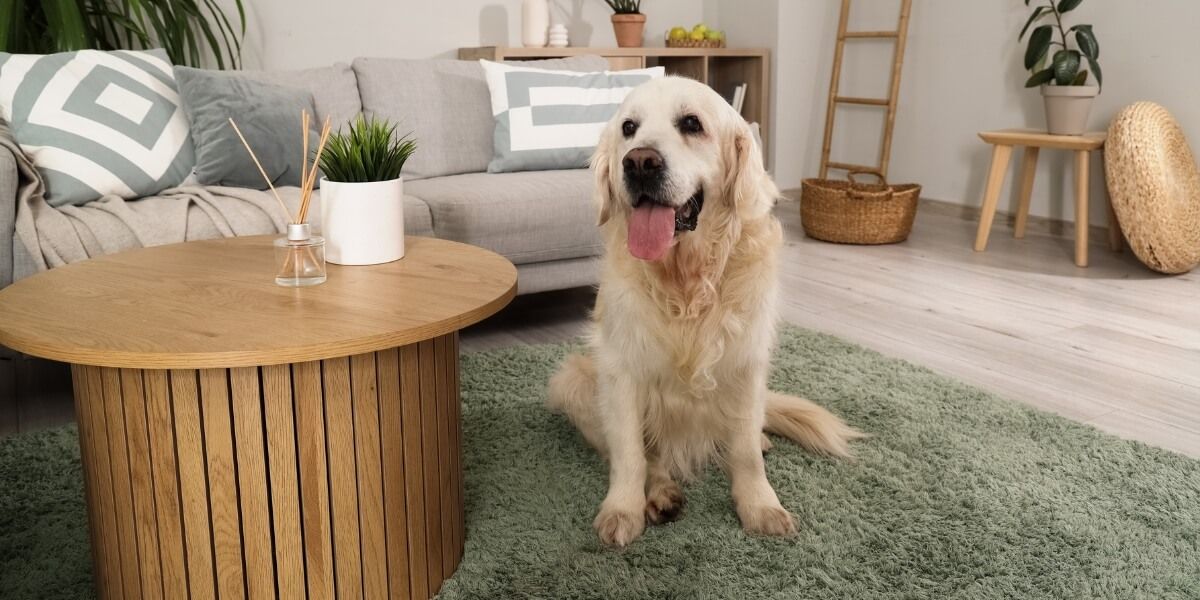
Why are bleach, pine oil, and cationic disinfectants risky around dogs and cats?
Each of these works by being chemically aggressive, and that is exactly what makes residue or a spill dangerous to a pet that licks it. Bleach burns tissue, phenol cleaners like pine oil are absorbed and can damage organs, and cationic detergents scald the mouth and throat. Concentration and contact time drive the harm, so wet residue is the real hazard.
The ASPCA notes that ingesting undiluted bleach can cause injury to the mouth and esophagus, especially at high concentration or high pH, though a properly diluted bleach solution that is thoroughly rinsed and aired out is not expected to harm a pet. Pine oil is harsher. The Pet Poison Helpline reports that small volumes of concentrated pine oil can cause severe gastrointestinal injury, seizures, and organ failure, and that cats are especially sensitive to it, which is why many veterinarians steer feline households away from pine and phenol formulas entirely. Cationic detergents, the class that includes the quaternary ammonium disinfectants in many fabric softeners, wipes, and sprays, are corrosive: the ASPCA warns they can cause severe chemical burns and ulcers to a pet’s mouth, esophagus, and stomach.
| Ingredient to watch for | What poison-control authorities report | Pet-safer approach |
|---|---|---|
| Bleach (sodium hypochlorite) | ASPCA: undiluted bleach can injure the mouth and esophagus at high concentration or pH | Use well diluted, rinse, and let it air out until the odor is gone before pets return |
| Pine oil and other phenol cleaners | Pet Poison Helpline: small volumes of concentrated pine oil can cause GI injury, seizures, and organ failure, and cats are especially sensitive | Avoid pine oil and phenol formulas in homes with cats, and choose a phenol-free cleaner |
| Cationic detergents and quats (fabric softeners, many wipes and sprays) | ASPCA: can cause severe chemical burns and ulcers to the mouth, esophagus, and stomach | Keep pets off treated surfaces until fully dry, and store the container closed and out of reach |
| Concentrated essential oils (tea tree, pine, citrus, wintergreen) | Pet Poison Helpline: a few concentrated drops of tea tree oil can cause severe poisoning; VCA: cats lack enough liver enzymes to metabolize them | Skip undiluted oil blends, especially around cats, and ventilate and dry fully |
Are essential oil and “natural” cleaners safe for cats and dogs?
Natural does not automatically mean safe for pets, and cats are the specific reason to be careful. Concentrated essential oils can be among the most dangerous ingredients in a green-labeled bottle, and because cats process these compounds poorly, an oil a dog might tolerate can seriously harm a cat. A plant on the label is not a clearance.
VCA Animal Hospitals explains that cats are particularly sensitive to essential oils because they have fewer of the liver enzymes needed to metabolize them, and it lists tea tree, pine, cinnamon, citrus, peppermint, and wintergreen oils among those poisonous to cats. Tea tree is the clearest example. The Pet Poison Helpline notes that even a few concentrated drops of tea tree oil, applied or ingested, can cause severe poisoning, with signs that include drooling, tremors, and liver injury, while products containing less than 1-2% tea tree oil are generally considered non-toxic when used as directed. For a Keller or Southlake cat owner, the practical rule is simple: undiluted oil blends belong nowhere near a cat.
Which cleaning products are actually pet-safer?
The pet-safer approach is less about a single magic ingredient and more about gentler products, real dilution, and full drying before pets return. Independent certification helps you skip the label decoding. The EPA Safer Choice program screens products so you do not have to evaluate every surfactant yourself.
EPA Safer Choice helps consumers find products that perform and contain ingredients that are safer for human health and the environment, which is a meaningful third-party signal on an aisle full of vague pet-friendly claims. Two honest caveats belong here. First, vinegar is often recommended as a gentle option, and the ASPCA notes it is generally not an issue once it is diluted, rinsed, and allowed to dry; but vinegar is not an EPA-registered disinfectant, so it cleans without reliably killing germs, and the EPA lists disinfectants under a separate Design for the Environment certification. Where disinfection actually matters, that gap is worth understanding, which is the subject of whether eco-friendly cleaning can actually disinfect and kill germs. Second, the single most protective habit costs nothing: keep pets out of a freshly cleaned room until every surface is dry, because pets meet cleaners by walking and licking, not by reading the bottle.
What are the signs your pet was exposed to a toxic cleaner, and who do you call?
Watch for drooling, vomiting, pawing at the mouth, burns or redness around the lips, unsteadiness, tremors, or trouble breathing, and treat any of them as urgent after a cleaner has been out. Do not wait to see whether it passes. Call a professional immediately rather than trying to make the pet vomit on your own.
For detergent exposures, the Pet Poison Helpline lists drooling, vomiting, potential aspiration, and mouth, throat, and stomach ulcers as signs to act on. The ASPCA Animal Poison Control Center is available 24 hours a day, 365 days a year, though a consultation fee may apply, so it is worth programming your regular veterinarian and a nearby emergency animal hospital into your phone before you ever need them. Bring the product label or bottle to the call or the clinic, because the exact ingredient and concentration change the treatment plan.
Why is switching your own products not enough?
Buying gentler cleaners helps, but it leaves two problems standing: the harsh products already under the sink and the residue guesswork on your own floors. A cabinet full of old bleach, pine cleaner, and quat wipes is still a hazard a curious pet can reach. And even careful people rush the drying step on a busy weeknight.
Residue is the quiet risk. Pets pick up whatever is left on a floor by walking across it and then grooming, so the margin between “cleaned” and “safe” is the drying time most households cut short. Clearing dander and germs without trading them for chemical residue is the same balance covered in the room-by-room pet dander and odor plan for Fort Worth dog and cat owners. Pricing for professional help depends on home size, the number of pets, and the type of clean, so the Fort Worth house cleaning cost guide covers typical ranges, and a free quote turns a range into a real number.
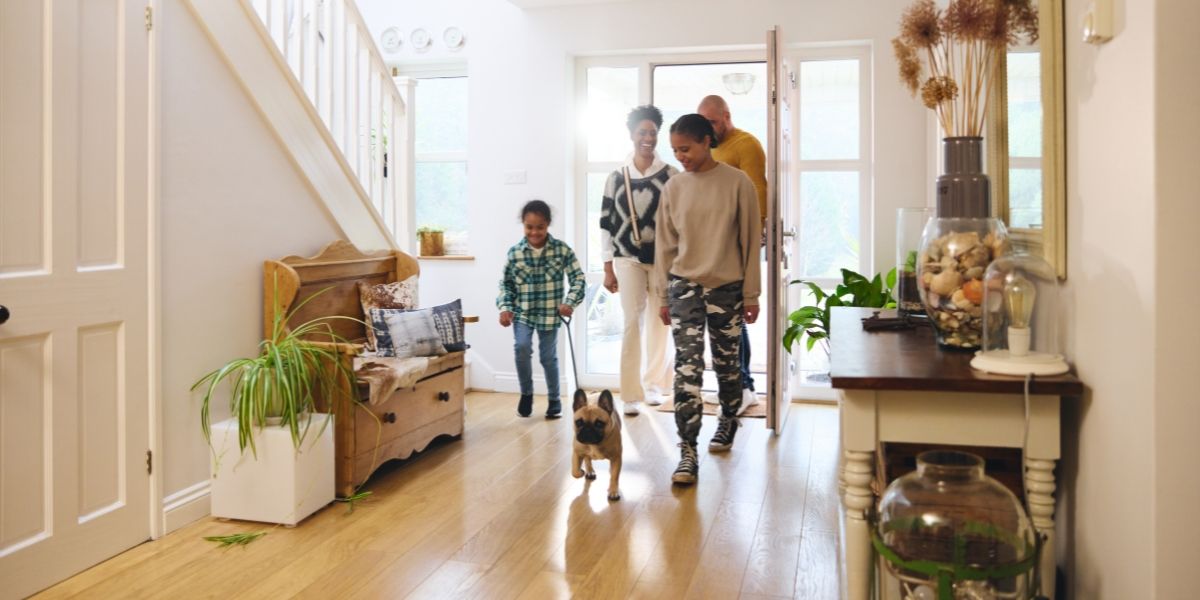
How does Maid Brigade keep every recurring Standard Clean safer for pets across Fort Worth and the Mid-Cities?
Maid Brigade of Fort Worth uses PUREcleaning products chosen to be safer around kids and pets, and its crews arrive fully equipped, so pet owners buy and store nothing under the sink. That removes both problems at once: no harsh chemical cabinet to guard, and no residue guesswork on the floors your dog sleeps on.
On a recurring Standard Clean, the same crew maintains a pet household on a steady rhythm rather than leaving cleaning to a rushed weeknight. Maid Brigade is locally owned and family operated, has served the area since 1989, and sends crews that are trained, background-checked, and covered by liability and workers’ compensation insurance. Service covers Fort Worth and the Mid-Cities, including Hurst, Euless, Bedford, Colleyville, North Richland Hills, Keller, Southlake, Grapevine, Watauga, and Haltom City; the service areas page has the full list. The company does not claim any product is veterinarian-approved or guaranteed safe for every animal, and questions about a specific pet’s sensitivities belong with a veterinarian. To put a pet-aware plan on the calendar, request a free quote or book a cleaning.
Key Takeaways
- According to the ASPCA and Pet Poison Helpline, the cleaners most linked to dog and cat poisoning are bleach, pine oil and other phenol cleaners, cationic detergents and quats, and concentrated essential oils.
- Cats are the most vulnerable pets to cleaning chemicals because they metabolize phenols and essential oils poorly, so pine and tea tree formulas are especially risky around them.
- Vinegar is a gentle everyday cleaner but is not an EPA-registered disinfectant, so it does not replace disinfection where germs actually need killing.
- The cheapest protection is drying time, so keep pets out of a freshly cleaned room until every surface is dry, because pets meet cleaners by walking and licking.
- If a pet contacts a cleaner, the ASPCA Animal Poison Control Center is available 24 hours a day, though a consultation fee may apply, and the product label guides treatment.
- Maid Brigade of Fort Worth uses PUREcleaning products chosen to be safer around kids and pets and arrives fully equipped, so pet owners across the Mid-Cities store nothing under the sink.
FAQ
Is Pine-Sol safe to use around dogs and cats?
Any cleaner built on pine oil or other phenols is risky around pets, and cats are especially sensitive, because the Pet Poison Helpline reports that small volumes of concentrated pine oil can cause gastrointestinal injury, seizures, and organ failure. Product formulas change over time, so read the label, and if a cleaner contains pine oil or a phenol, keep pets out until surfaces are fully dry or choose a phenol-free product instead. When you are unsure about a specific product, keep pets away until it dries and consult the ASPCA Animal Poison Control Center.
Can I use vinegar to clean if I have pets, and does it disinfect?
Vinegar is one of the gentler options for pet households, and the ASPCA notes it is generally not an issue once it is diluted, rinsed, and allowed to dry. It cleans, but it does not disinfect the way an EPA-registered product does, so it will not reliably kill germs on surfaces that need it. For everyday wiping it is fine, but where real disinfection matters, such as after a pet accident, a registered disinfectant used correctly and dried fully is the right tool.
Are Clorox and Lysol disinfecting wipes safe for pet owners?
Disinfecting wipes commonly rely on quaternary ammonium compounds, a type of cationic detergent that the ASPCA reports can cause severe chemical burns and ulcers to a pet’s mouth, esophagus, and stomach if the pet licks wet residue or chews a used wipe. They are not off-limits, but they demand care: wipe the surface, let it dry completely, keep pets away until it is dry, and store the container closed and out of reach. Never leave a used wipe where a pet can reach it.
Is it safe for my dog to walk on the floor right after mopping?
No, wait until the floor is completely dry. Dogs and cats pick up whatever is left on a floor by walking across it and then licking their paws and fur, so a wet or damp floor is the moment of highest exposure. Letting every surface dry fully before pets return is the single most effective habit for lowering their contact with any cleaner, safer or not.
Does Maid Brigade use pet-safer cleaning products in Fort Worth and the Mid-Cities?
Yes. Maid Brigade of Fort Worth cleans with PUREcleaning products chosen to be safer around kids and pets, and on a recurring Standard Clean its crews arrive fully equipped, so pet owners buy and store nothing under the sink. Service covers Fort Worth and the Mid-Cities, including Hurst, Euless, Bedford, Colleyville, North Richland Hills, Keller, Southlake, Grapevine, Watauga, and Haltom City. The company does not claim any product is guaranteed safe for every animal, so questions about a specific pet’s sensitivities belong with a veterinarian.
What should I do if my cat licked a cleaning product?
Treat it as urgent and call for guidance right away rather than waiting to see what happens. Watch for drooling, vomiting, pawing at the mouth, tremors, or trouble breathing, and do not try to make the cat vomit unless a professional tells you to. The ASPCA Animal Poison Control Center is available 24 hours a day, 365 days a year, though a consultation fee may apply, and having the product label in hand helps them advise you. Cats are especially sensitive to phenols and essential oils, so do not assume a small amount is harmless.
Sources
- Maid Brigade of Fort Worth: recurring cleaning
- Maid Brigade of Fort Worth: service areas
- Maid Brigade of Fort Worth: request a free quote
- Maid Brigade of Fort Worth: contact
- Maid Brigade of Fort Worth: book a cleaning
- How much does house cleaning cost in Fort Worth?
- Can eco-friendly cleaning actually disinfect and kill germs?
- Pet dander and odor cleaning for Fort Worth dog and cat owners
- ASPCA: Poisonous Household Products
- ASPCA: The Official Top 10 Toxins of 2024
- ASPCA: Increase in Calls to Poison Control Center in 2024
- ASPCA: Animal Poison Control Center
- Pet Poison Helpline: Pine Oil
- Pet Poison Helpline: Tea Tree Oil
- Pet Poison Helpline: Detergents
- VCA Animal Hospitals: Essential Oil and Liquid Potpourri Poisoning in Cats
- EPA: Safer Choice