
Pet Dander and Odor Cleaning for Fort Worth Dog and Cat Owners: A Room-by-Room Plan That Keeps Allergies Down
By Maid Brigade of Greater Fort Worth, serving Fort Worth and the Mid-Cities since 1989. Editorial verification September 10, 2026.
Last updated: 2026-09-10
Verified against the Asthma and Allergy Foundation of America, Cleveland Clinic, and the American College of Allergy, Asthma and Immunology on September 10, 2026. Every external link in this guide was checked live during that review and the cited pages re-read where they permit automated access; dead citations found in that sweep were replaced or removed. Desk verification of published sources is the method used, and no laboratory or in-home testing was performed for this guide.
TL;DR: The fastest way to lower pet dander in a Fort Worth home is a Deep Clean that physically removes dander from the surfaces where it collects, followed by a recurring Standard Clean every two to four weeks so levels do not rebuild. Cleaning is an environmental control measure, not a medical treatment, so symptom questions belong with an allergist. Maid Brigade of Fort Worth does the work with PUREcleaning products chosen to be safer around kids and pets, and crews arrive fully equipped.
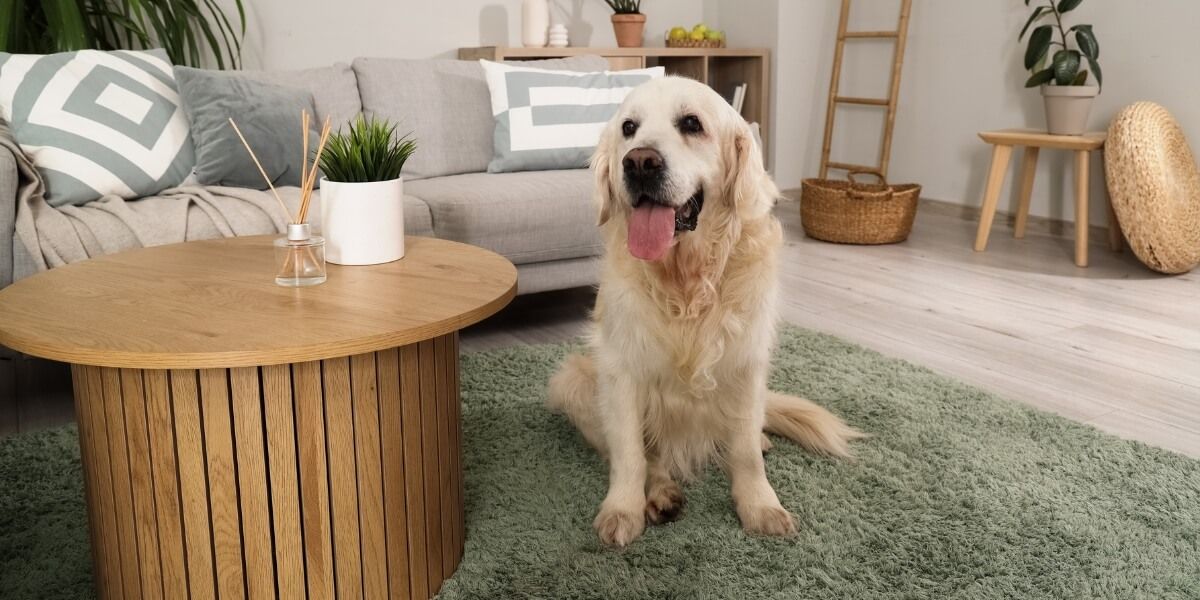
Fort Worth loves its animals. About 6 out of 10 households in the United States have a pet, according to the Asthma and Allergy Foundation of America, and plenty of homes across the Mid-Cities have two or three. This guide lays out a practical room-by-room plan for the households where someone sneezes every time the cat jumps on the couch: which surfaces actually hold the allergen, which cleaning service fits the job, and how often to repeat it so the relief lasts.
What is the fastest way to lower pet dander in a Fort Worth home?
The fastest way to lower pet dander is to physically remove it from the surfaces where it accumulates, starting with a whole-home Deep Clean and continuing with recurring maintenance visits. Dander removal is mechanical work, not chemical work. No spray dissolves the allergen away; someone has to wipe, wash, and vacuum every place it settles, room by room.
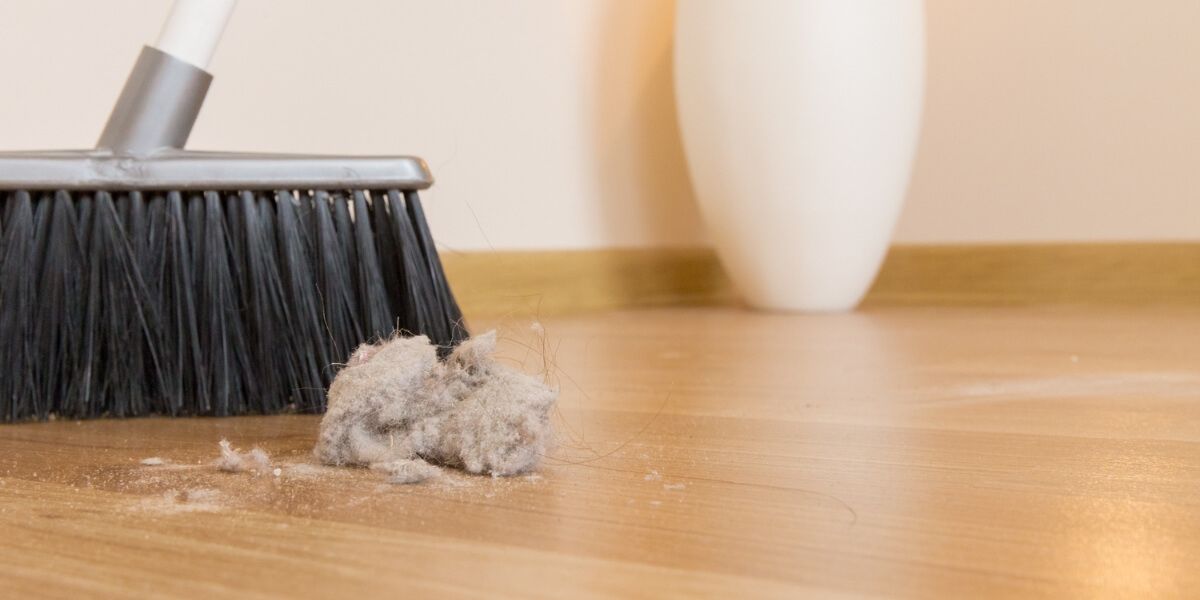
The reason a quick floor vacuum falls short is what the allergen actually is. Pet allergy is a reaction to proteins in a pet’s dander (dead skin flakes), saliva, and urine, not to the hair itself, and AAFA reports that allergies to cats and dogs affect 10 to 20% of the world’s population. The particles are light enough to stay airborne for long periods, then settle on furniture, fabric, and high surfaces throughout the house. Fur mostly carries the dander around; the reservoir sits on the upholstery, the ceiling fan blades, and the baseboards, untouched by a lint roller and a once-over with the vacuum.
One boundary worth stating plainly: cleaning controls the environment, it does not treat the person. The American College of Allergy, Asthma and Immunology points allergy sufferers to an allergist for proper diagnosis and treatment, and that advice stands here too. A cleaner home lowers the allergen load; an allergist addresses the symptoms.
Which cleaning service fits pet owners: Standard Clean, Deep Clean, or Move Clean?
Most pet households get the best result from a two-step sequence: a Deep Clean first to clear the built-up dander reservoirs, then a recurring Standard Clean to keep them from refilling. A Move Clean fits when pets are part of a move, whether they are yours or a prior resident’s.
| Service | What it does for a pet household | When to book it |
|---|---|---|
| Deep Clean | Clears built-up dander from the reservoirs a routine visit does not fully reach: baseboards, ceiling fan blades, vent covers, and detailed kitchen and bathroom work | The first visit, seasonal resets, or any home that is months past its last professional clean |
| Standard Clean | Keeps dander low on the surfaces pets touch daily once the reservoirs have been cleared | Recurring visits every two to four weeks after the initial Deep Clean |
| Move Clean | Resets an empty home where a previous owner’s or tenant’s pets left dander and odor behind | Move-in or move-out, before the furniture and boxes arrive |
You can compare what each visit includes on the Maid Brigade services page. Skipping straight to a Standard Clean in a home that has never had the reservoirs cleared usually disappoints, because the maintenance visit maintains whatever level the home starts at.
What surfaces does the Pet Dander Reservoir Checklist cover, room by room?
The Pet Dander Reservoir Checklist is the set of surfaces a crew targets in a pet household because dander predictably collects there: upholstery, baseboards, ceiling fan blades, vent covers, and the floor under furniture. Work through it room by room and the home’s total allergen load drops in a way a surface-level tidy never touches.
Fabric tops the list for a reason. Cleveland Clinic allergist Sandra Hong, MD, describes how pet allergens behave in a home: “They get attached to couches, any sort of cloth surfaces like rugs and carpets, and other upholstery, and they stay and linger there.”
- Living room: upholstered sofas and chairs, throw blankets, area rugs, ceiling fan blades, baseboards, window blinds, and the floor under and behind furniture where hair drifts collect.
- Bedrooms: headboards, the floor under the bed, baseboards, vents, and every fabric surface. AAFA notes you spend about one third of your time in the bedroom, and Dr. Hong is direct about the house rule that helps most: “Ideally, you don’t allow them into your bedroom and, especially, onto your bed.”
- Kitchen and bathrooms: baseboards, cabinet faces near feeding stations, the litter box zone, vent covers, and hard floors where dander binds with everyday dust and cooking film.
- Whole home: HVAC vent covers, window sills, door frames, stair treads, and light fixtures, the horizontal surfaces nobody dusts weekly.
Cat owners should budget extra patience. Dr. Hong notes that cat protein “can last up to four months in your home environment,” which is why a single heroic cleaning weekend never feels like it sticks. Persistence, not intensity, wins.

How often should Fort Worth dog and cat owners schedule cleaning?
After the initial Deep Clean, most Fort Worth pet households hold dander down with a recurring Standard Clean every two to four weeks. Shedding never pauses, so the schedule matters more than any single deep session.
The allergen itself argues for consistency. AAFA reports that pet allergens can cause symptoms up to 6 months after the animal is gone, especially cat allergens. A home with a resident pet is restocking those reservoirs every day, so the question is never whether dander returns, only how high it climbs between cleanings. North Texas stacks the deck further: mountain cedar pollen from December to February, spring oak, and fall ragweed all ride into the house on fur, which means a Keller or Colleyville pet household carries a heavier seasonal load than the same home in a milder climate.
Between professional visits, AAFA’s guidance for allergy households is straightforward: dust with a damp or microfiber cloth, wash pet bedding and throws weekly in hot water, and vacuum weekly with a HEPA-filter vacuum. A recurring cleaning plan then handles the reservoir surfaces on a rhythm, so the home never drifts back to its pre-Deep-Clean baseline.
Can professional cleaning remove pet odor that has soaked into a home?
Professional cleaning removes the pet odor that lives on surfaces: dander and body oils on fabric and floors, film on hard surfaces, and the general staleness a pet household accumulates. Odor from urine that has soaked into carpet pad, subfloor, or drywall is a different problem, and no surface cleaning honestly fixes it.
That distinction matters when you are deciding what to book. A Deep Clean makes a real difference in a home that smells like the dog because the dog lives there. If an accident soaked through the carpet months ago, the odor source sits below anything a cleaning crew can reach, and that calls for carpet restoration or replacement rather than cleaning. Maid Brigade of Fort Worth would rather say so up front than overpromise, which is exactly the kind of thing a free quote conversation sorts out before anyone is charged a dollar.
Pet accidents also raise the disinfecting question, since odor and germs often share a source. For a straight answer on what green products can and cannot kill, read whether eco-friendly cleaning can actually disinfect and kill germs.
How do you book pet-friendly cleaning in Fort Worth, and are green products safer around pets?
Booking starts with a free, no obligation quote that accounts for home size, the number of pets, and whether the first visit should be a Deep Clean. Maid Brigade of Fort Worth is locally owned and family operated, has served the area since 1989, and sends crews that are trained, background-checked, and covered by liability and workers’ compensation insurance. Crews arrive fully equipped, so you buy and store nothing.
On products: PUREcleaning products are chosen to be safer around kids and pets, so clearing dander does not mean trading one irritant for a harsh chemical residue on the floors your dog sleeps on. Certification programs exist precisely because ingredients vary; the EPA’s Safer Choice program, for example, helps consumers “find products that perform and contain ingredients that are safer for human health and the environment.” For a specific breakdown of ingredients, see which house cleaning products are actually pet safe and what to avoid around dogs and cats.
Pricing depends on home size, number of pets, and the type of clean, so there is no honest flat number to publish. The Fort Worth house cleaning cost guide covers typical ranges, and a free quote turns a range into your exact price. Service covers Fort Worth and the Mid-Cities, including Hurst, Euless, Bedford, Colleyville, North Richland Hills, Keller, Southlake, Grapevine, Watauga, and Haltom City; the service areas page has the full list. Ready to clear the dander? Book a cleaning and put the plan on the calendar. If dander and odor are not the issue and it is simply the nonstop volume of mess that comes with kids and pets together, that guide covers the everyday-clutter side of the same households.
Key Takeaways
- Pet dander removal is mechanical: a Deep Clean physically clears dander from upholstery, baseboards, ceiling fan blades, vent covers, and the floor under furniture.
- The proven sequence for pet households is a Deep Clean first, then a recurring Standard Clean every two to four weeks so allergen levels do not rebuild.
- Pet allergens ride on lightweight airborne particles and settle far beyond the floor, which is why vacuuming alone rarely changes symptoms.
- Cleaning is an environmental control measure, not a medical treatment, and allergy symptom questions belong with an allergist.
- Surface pet odor responds well to professional cleaning, but urine soaked into carpet pad or subfloor requires restoration or replacement, not cleaning.
- Maid Brigade of Fort Worth uses PUREcleaning products chosen to be safer around kids and pets, and crews arrive fully equipped.
FAQ
Does professional cleaning actually help with pet allergies, or do I need to rehome my pet?
Professional cleaning helps by shrinking the dander reservoir in your home, and allergists treat it as one environmental control among several rather than a cure. Regular removal of dander from upholstery, floors, and dust-collecting surfaces lowers the allergen load you breathe every day. Rehoming decisions and symptom treatment are medical questions for a board-certified allergist, not for a cleaning company.
Which surfaces in my home hold the most pet dander?
Soft surfaces hold the most: upholstered furniture, rugs, carpets, pet bedding, and human bedding. After fabric, the biggest reservoirs are the horizontal surfaces nobody cleans weekly, such as ceiling fan blades, baseboards, vent covers, window blinds, and the floor under furniture. That list is exactly what the Pet Dander Reservoir Checklist targets during a Deep Clean.
Do I need to be home during the cleaning if I have anxious dogs or cats?
That choice is yours to make based on your pets. Many pet owners gate anxious animals in a quiet room, crate them, or schedule the visit during a walk or a daycare day. Mention your pets when you request a quote so the plan accounts for them; crews are background-checked and covered by liability and workers’ compensation insurance, and they follow the house rules you set.
Can a Deep Clean remove pet urine odor, or does the flooring have to be replaced?
A Deep Clean removes odor sitting on surfaces: dander, body oils, and grime on floors, fabric, and fixtures. Urine that has soaked through carpet into the pad or subfloor is beyond what any surface cleaning can reach, and that situation usually calls for carpet restoration or replacement. An honest assessment during the quote determines which case your home is before anyone promises results.
Are the green cleaning products safe to use around dogs, cats, and kids?
Maid Brigade uses PUREcleaning products chosen to be safer around kids and pets than conventional harsh chemicals. No cleaning company should promise that any product carries zero risk for every animal, so it is sensible to keep pets out of a room while it is being cleaned and until surfaces are dry. Questions about a specific pet’s sensitivities belong with your veterinarian.
Which towns around Fort Worth does Maid Brigade cover for pet-owner cleaning?
Maid Brigade of Fort Worth serves Fort Worth and the Mid-Cities, including Hurst, Euless, Bedford, Colleyville, North Richland Hills, Keller, Southlake, Grapevine, Watauga, and Haltom City. The same room-by-room dander plan applies at any address in the service area, from a Bedford apartment with one cat to a Southlake home with three dogs.
Sources
- Maid Brigade of Fort Worth: cleaning services
- Maid Brigade of Fort Worth: recurring cleaning
- Maid Brigade of Fort Worth: service areas
- Maid Brigade of Fort Worth: request a free quote
- Maid Brigade of Fort Worth: book a cleaning
- How much does house cleaning cost in Fort Worth?
- Which house cleaning products are actually pet safe?
- Can eco-friendly cleaning actually disinfect and kill germs?
- Asthma and Allergy Foundation of America: Pet Allergies (Dogs and Cats)
- Cleveland Clinic Health Essentials: How To Reduce Pet Dander To Help With Allergies
- American College of Allergy, Asthma and Immunology: Pet Allergies
- EPA: Safer Choice