
House Cleaning for Allergy and Asthma Sufferers in Fort Worth: What Actually Reduces Symptoms

By Maid Brigade of Greater Fort Worth, serving Fort Worth and the Mid-Cities since 1989. Editorial verification September 10, 2026.
Last updated: 2026-09-10
Verified against the Asthma and Allergy Foundation of America, the American College of Allergy, Asthma and Immunology, and the United States Environmental Protection Agency on September 10, 2026. Every external link in this guide was checked live during that review and the cited pages re-read where they permit automated access; dead citations found in that sweep were replaced or removed. Desk verification of published sources is the method used, and no laboratory or in-home testing was performed for this guide.
TL;DR: To cut allergy and asthma symptoms in a Fort Worth home, clean on a regular schedule with damp microfiber that captures fine particles instead of dry dusting that scatters them, wash bedding weekly in hot water at least 130F (about 54C) as the Asthma and Allergy Foundation of America recommends, keep indoor humidity in check, and switch to fragrance-free, low-VOC products, because the biggest local triggers are dust mites, pet dander, and North Texas pollen tracked indoors. Maid Brigade of Greater Fort Worth cleans with its own PUREcleaning products, chosen to be safer around kids and pets, and its crews arrive fully equipped. This is cleaning guidance, not medical advice, so for diagnosis and treatment consult your allergist or physician.
In a household where someone wheezes, sneezes, or wakes up congested, cleaning is not just about how the place looks. The right routine physically removes the particles that set off symptoms, and the wrong routine stirs them back into the air. Here is what public health authorities say actually helps in Fort Worth and the Mid-Cities, and where a fully equipped, background-checked crew fits in.
What actually reduces allergy and asthma symptoms when you clean your house?
The cleaning steps with the strongest support are physical allergen removal and moisture control, not fragrance or shine. That means capturing dust with damp microfiber instead of dry dusting, washing bedding weekly in hot water, vacuuming carpets and soft furnishings, and keeping humidity low. This is cleaning guidance, not medical advice, so a diagnosis and a treatment plan still come from your allergist or physician.
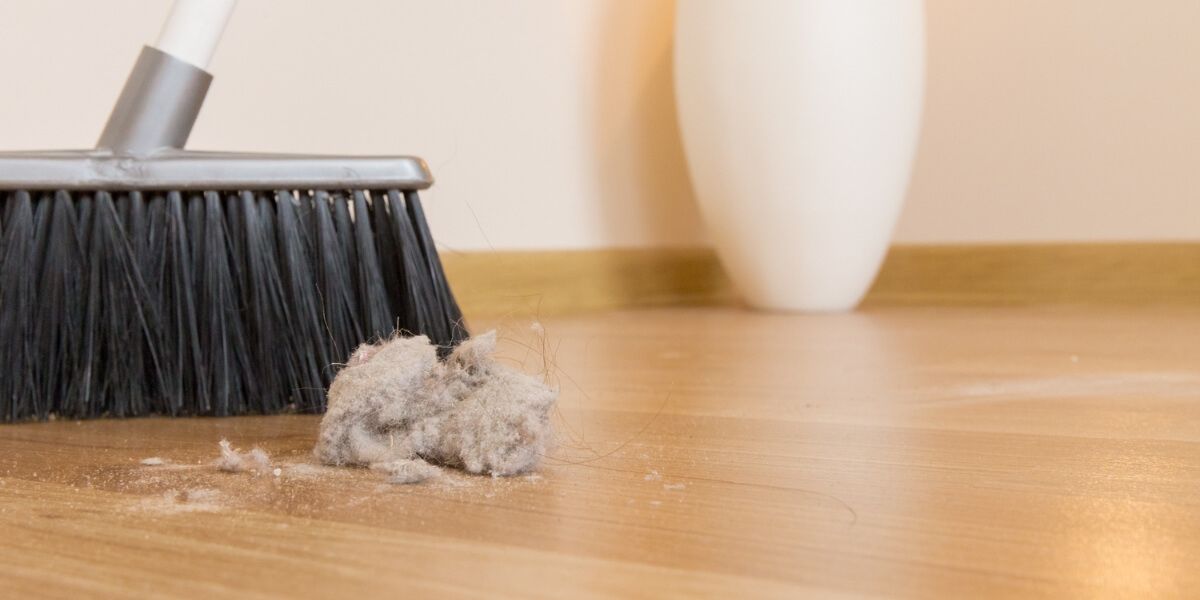
The Asthma and Allergy Foundation of America recommends washing sheets, blankets, and throw rugs weekly in hot water that is at least 130F to kill dust mites. The American College of Allergy, Asthma and Immunology adds that you should clean floors with a damp rag or mop rather than dry-dusting or sweeping, because damp capture carries particles out of the home instead of launching them back into the air you breathe.
Which allergens matter most in Fort Worth and the Mid-Cities?
Three sources dominate local homes: dust mites, pet dander, and pollen tracked in from outside. Dust mites are the year-round baseline, pet dander stays constant in homes with dogs and cats, and North Texas adds a heavy seasonal pollen load that settles into carpet and bedding across Hurst, Euless, Bedford, and the rest of the Mid-Cities.
The Asthma and Allergy Foundation of America calls dust mites one of the most common triggers of year-round allergies and allergic asthma, and the EPA’s asthma guidance lists dust mites, molds, pets, cockroaches, and secondhand smoke among common indoor triggers. North Texas then runs a distinct pollen calendar: the Texas A&M Forest Service reports that mountain cedar, an Ashe juniper, begins producing pollen in mid-December and peaks in mid-January before tapering toward the beginning of March. Oak and elm follow in spring and ragweed takes over in the fall, all of it riding indoors on clothes, shoes, and pets. The cedar fever season deep clean guide covers clearing mountain cedar from the home.
How often should an allergy or asthma household be cleaned?
Most sensitive households do best on a weekly or biweekly recurring clean, with a periodic deep clean to reset built-up dust. Frequency matters because allergen levels rebuild quickly, which is why the Asthma and Allergy Foundation of America ties its bedding-wash advice to a weekly cadence rather than a monthly one.
A steady schedule keeps the allergen load consistently low instead of letting it spike between rare cleanings. A recurring cleaning plan handles the maintenance, while a seasonal deep clean resets baseboards, vents, and the spaces behind furniture that a standard visit does not reach. Pet households benefit from a tighter cadence, and the room-by-room plan for Fort Worth dog and cat owners shows why dander needs steady attention.
Do cleaning products themselves trigger asthma, and what should you use instead?
Yes, some do. Strongly fragranced and high-VOC cleaners can irritate airways, which is why fragrance-free, low-VOC products are the safer choice for a sensitive home. The goal is to remove allergens without adding new respiratory irritants in their place.
The EPA reports that concentrations of many VOCs are consistently higher indoors, up to ten times higher, than outdoors, and that many cleaning, disinfecting, and air-freshening products release them, with possible eye, nose, throat, and respiratory tract irritation. Maid Brigade of Greater Fort Worth cleans with its own PUREcleaning products, and its crews bring products chosen to be safer around kids and pets, so the household is not trading dust for fumes.
Scent is a separate issue from how gentle a product is, and the two get confused constantly. Fragrance-free house cleaning in Fort Worth explains why unscented and fragrance-free are not the same claim.
What does an allergy-focused room-by-room cleaning checklist look like?
An allergy-conscious clean prioritizes the rooms where people spend the most time and where allergens concentrate: the bedroom first, then living areas, then bathrooms and kitchen for humidity control. Every step favors capture over scatter, and each figure below is drawn from the allergy authority named alongside it.
- Bedroom: wash bedding weekly in hot water at least 130F as the Asthma and Allergy Foundation of America advises, vacuum the mattress and floor, and damp-wipe surfaces rather than dry-dusting them.
- Living areas: vacuum upholstery and carpet where dander and pollen settle. The EPA suggests homeowners vacuum with a HEPA filter to keep fine particles from blowing back out.
- Bathrooms and kitchen: control moisture. The American College of Allergy, Asthma and Immunology recommends keeping indoor humidity between 30 and 50 percent, because dust mites and mold thrive in the damp air of humid Texas summers.
- Hard floors: damp mop rather than dry sweep, which the ACAAI recommends to avoid re-suspending particles.
- After remodeling: fine drywall dust keeps resurfacing for weeks, and the remodel dust removal guide covers that problem separately.
Standard Clean vs Deep Clean: which reduces allergens, and when do you need each?
Both reduce allergens, but they do different jobs. A Standard Clean keeps the allergen load low on a recurring schedule, and a Deep Clean resets the built-up dust a routine visit does not reach. Most sensitive households start with a Deep Clean, then hold the gains with recurring Standard visits.
| Factor | Standard Clean | Deep Clean |
|---|---|---|
| Best for | Ongoing allergen control on a weekly or biweekly schedule | Resetting accumulated dust and allergens, or a first visit |
| Where it reaches | Everyday surfaces, floors, bathrooms, kitchen | Baseboards, vents, behind and under furniture, detail work |
| Effect on allergens | Keeps the load consistently low between visits | Removes deep dust the schedule has not caught up to |
| Typical cadence | Weekly or biweekly, recurring | Seasonal or as needed |
Maid Brigade of Greater Fort Worth builds its Deep Clean around damp-microfiber capture and hand detail work in exactly the low, hidden spots where pollen and dust collect. You can compare what each visit includes on the services page before you decide which to book first.
Why hire a background-checked crew instead of doing it yourself?
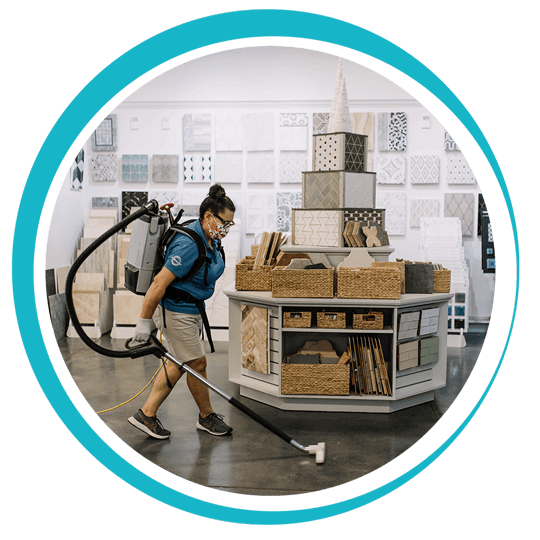
For a sensitive household, a trained crew removes the two hardest parts of doing it yourself: performing the physical work consistently, and vetting who and what comes into your home. Maid Brigade of Greater Fort Worth arrives fully equipped, so the household buys nothing, stores nothing, and vets no strangers.
The crews are trained, background-checked, and covered by liability and workers’ compensation insurance, and the same locally owned, family-operated team has served Fort Worth and the Mid-Cities since 1989. Consistency is the entire point, and even a spotless home builds up allergens over time. As James Tracy, DO, president of the American College of Allergy, Asthma and Immunology, put it, “Even the cleanest of houses can use spring cleaning to start fresh and get rid of allergens that have built up over the winter.”
How do I book allergy-friendly recurring house cleaning in Fort Worth and the Mid-Cities?
Start with a free, no-obligation quote. Share your home size, whether anyone in the home has allergies or asthma, and how often you want service, and you get a clear price with no surprises. Maid Brigade serves Fort Worth and the Mid-Cities, including Hurst, Euless, Bedford, Colleyville, North Richland Hills, Keller, Southlake, Grapevine, Watauga, and Haltom City.
Request a free quote to get started, or confirm coverage on the service areas page. For how pricing works before you commit, the Fort Worth house cleaning cost guide breaks down standard, deep, and recurring rates.
To get an allergy-conscious scope written onto the work order before the first visit, contact the office.
Key Takeaways
- The Asthma and Allergy Foundation of America recommends washing bedding weekly in hot water at least 130F (about 54C) to kill dust mites, which it calls one of the most common triggers of year-round allergies and allergic asthma.
- Damp microfiber and vacuuming capture fine allergens and carry them out of the home, while dry dusting and sweeping scatter those particles back into the air, per the American College of Allergy, Asthma and Immunology.
- The EPA reports indoor VOC levels can run up to ten times higher than outdoors, which is why fragrance-free, low-VOC products suit homes with sensitive lungs.
- North Texas pollen arrives in waves, with mountain cedar peaking in mid-January per the Texas A&M Forest Service, oak and elm in spring, and ragweed in fall, all tracked indoors.
- A weekly or biweekly recurring clean plus a periodic deep clean keeps the allergen load low between visits instead of letting it spike.
- Maid Brigade of Greater Fort Worth cleans with its own PUREcleaning products and arrives fully equipped, so a sensitive household stores no supplies and vets no strangers.
FAQ
Does professional house cleaning really help with allergies and asthma?
Regular professional cleaning helps by physically removing the allergens that trigger symptoms, such as dust mites, pet dander, and tracked-in pollen, and by using products that do not add new respiratory irritants. That said, this is cleaning guidance, not medical advice. A cleaner reduces your exposure, but diagnosis, medication, and a treatment plan should always come from your allergist or physician.
How often should I have my house cleaned if someone has asthma or bad allergies?
Most allergy and asthma households do best with a weekly or biweekly recurring clean, plus a periodic deep clean to reset built-up dust in baseboards, vents, and behind furniture. Frequency matters because allergen levels rebuild within days, which is why the Asthma and Allergy Foundation of America recommends washing bedding weekly. Homes with pets, or homes cleaned during heavy pollen seasons, often benefit from the tighter weekly cadence.
Are PUREcleaning products actually better for asthma sufferers than regular cleaners?
Products with less added scent and lower volatile organic compound content are generally the safer choice for a sensitive home, because strongly scented and high-VOC cleaners can themselves irritate airways. The EPA reports that indoor VOC concentrations can run several times higher than outdoors and that many cleaning and air-freshening products release them. Maid Brigade of Greater Fort Worth describes its PUREcleaning agents as free from harsh odors, which is a low-odor claim rather than a formal fragrance-free designation, so a household with a diagnosed fragrance sensitivity should ask which of the two claims any company is making.
Can cleaning make my allergies feel worse before they get better, and how do you avoid that?
It can, if cleaning is done in a way that stirs settled allergens back into the air. Dry dusting, dry sweeping, and vigorously shaking bedding launch fine particles that you then breathe in. The fix is capture over scatter: damp microfiber, vacuuming, and washing bedding in hot water, which the American College of Allergy, Asthma and Immunology recommends in place of dry-dusting or sweeping. Ventilating the room during and after the clean helps as well.
What is the best cleaning routine for Mountain Cedar season in Fort Worth and the Mid-Cities?
During mountain cedar season, which the Texas A&M Forest Service reports runs from mid-December through roughly early March, focus on keeping tracked-in pollen from settling. Wash bedding weekly in hot water, damp-wipe hard surfaces and floors, vacuum carpet and upholstery, and change or run air filters more often. A seasonal deep clean at the start of the season resets the dust that carries pollen, and a recurring plan holds those gains through the peak in January.
Do your crews bring their own allergy-conscious cleaning supplies, or do I need to store anything?
Maid Brigade of Greater Fort Worth arrives fully equipped, so you buy nothing and store nothing. The crews bring PUREcleaning products chosen to be safer around kids and pets, and they are trained, background-checked, and covered by liability and workers’ compensation insurance. That matters for a sensitive household that would rather not keep a cabinet of cleaning chemicals on hand.
Sources
- Maid Brigade of Fort Worth: recurring cleaning
- Maid Brigade of Fort Worth: deep cleaning
- Maid Brigade of Fort Worth: request a free quote
- Maid Brigade of Fort Worth: service areas
- Fort Worth house cleaning cost guide
- Cedar fever season deep clean guide
- Remodel dust removal guide
- Pet dander and odor cleaning room-by-room plan
- Asthma and Allergy Foundation of America: dust mite allergy
- American College of Allergy, Asthma and Immunology: environmental allergy avoidance
- American College of Allergy, Asthma and Immunology: spring cleaning and allergies
- EPA: volatile organic compounds and indoor air quality
- EPA: asthma triggers, gain control
- Texas A&M Forest Service: cedar fever season in Texas