
Does House Cleaning Improve Indoor Air Quality in Fort Worth Homes? Beyond Just Looking Clean
By Maid Brigade of Greater Fort Worth, serving Fort Worth and the Mid-Cities since 1989. Editorial verification September 10, 2026.
Last updated: 2026-09-10
Verified against the United States Environmental Protection Agency, the Asthma and Allergy Foundation of America, and Texas A&M AgriLife Extension on September 10, 2026. Every external link in this guide was checked live during that review and the cited pages re-read where they permit automated access; dead citations found in that sweep were replaced or removed. Desk verification of published sources is the method used, and no laboratory or in-home testing was performed for this guide.
TL;DR: Yes, regular professional house cleaning improves indoor air quality in Fort Worth and Mid-Cities homes because it physically removes the settled dust, pet dander, and tracked-in North Texas pollen that recirculate into the air you breathe. Maid Brigade of Fort Worth uses PUREcleaning products chosen to be safer around kids and pets, so the clean itself does not add harsh chemical fumes. Cleaning does not replace HVAC filtration, but it clears allergens at the source before they become airborne.
A home can look spotless and still hold plenty of what irritates lungs: settled dust, pet dander, dust mite debris, and the pollen North Texas produces nearly year round. This guide explains what regular professional cleaning actually does for the air inside your Fort Worth home, what it honestly cannot do, and how to build a cleaning schedule that keeps allergen levels down through cedar season, oak season, and ragweed season alike.
Does house cleaning actually improve indoor air quality in Fort Worth homes?
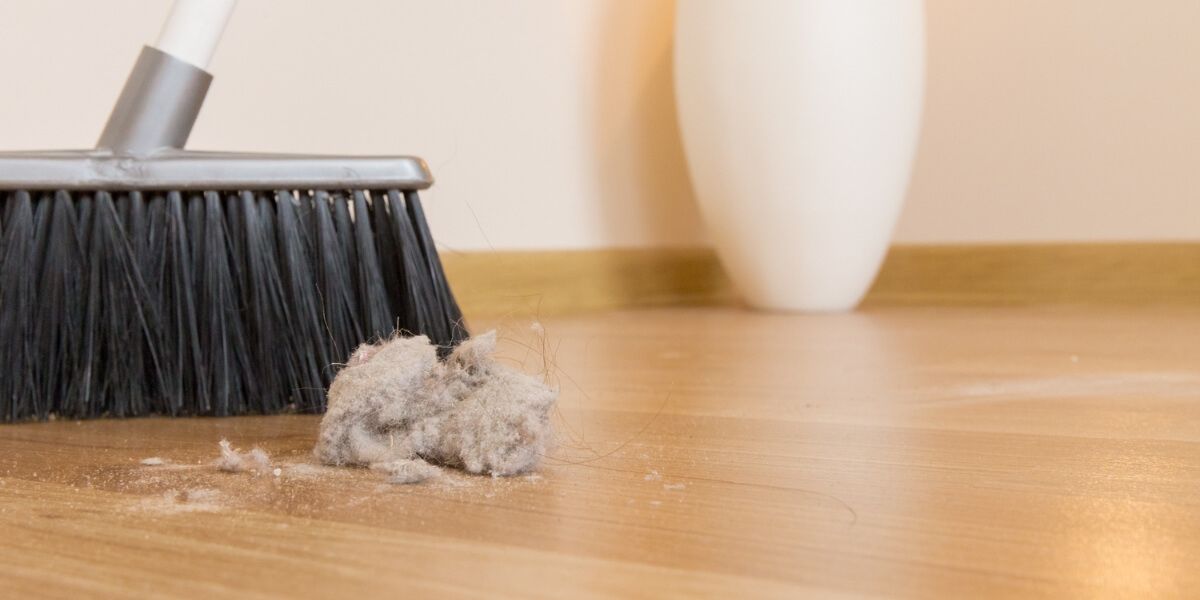
Yes, regular house cleaning improves indoor air quality because most of what ends up in your lungs indoors starts as settled material on floors, furniture, and fabric, and cleaning physically removes that material before footsteps, pets, and HVAC airflow stir it back into the air. A clean that only makes surfaces look tidy is cosmetic, while a thorough clean removes the allergen reservoir itself.
The stakes are higher than most homeowners assume. The EPA reports that Americans spend approximately 90 percent of their time indoors, where concentrations of some pollutants are often 2 to 5 times higher than typical outdoor concentrations. In a Fort Worth home, that indoor load is not abstract. It is the dust film on the entertainment center, the dander worked into the sofa, and the pollen that rode in on shoes and pet fur, all of it waiting to go airborne the next time someone plops onto the cushions.
Which type of clean helps air quality most: Standard, Deep, or Move Clean?
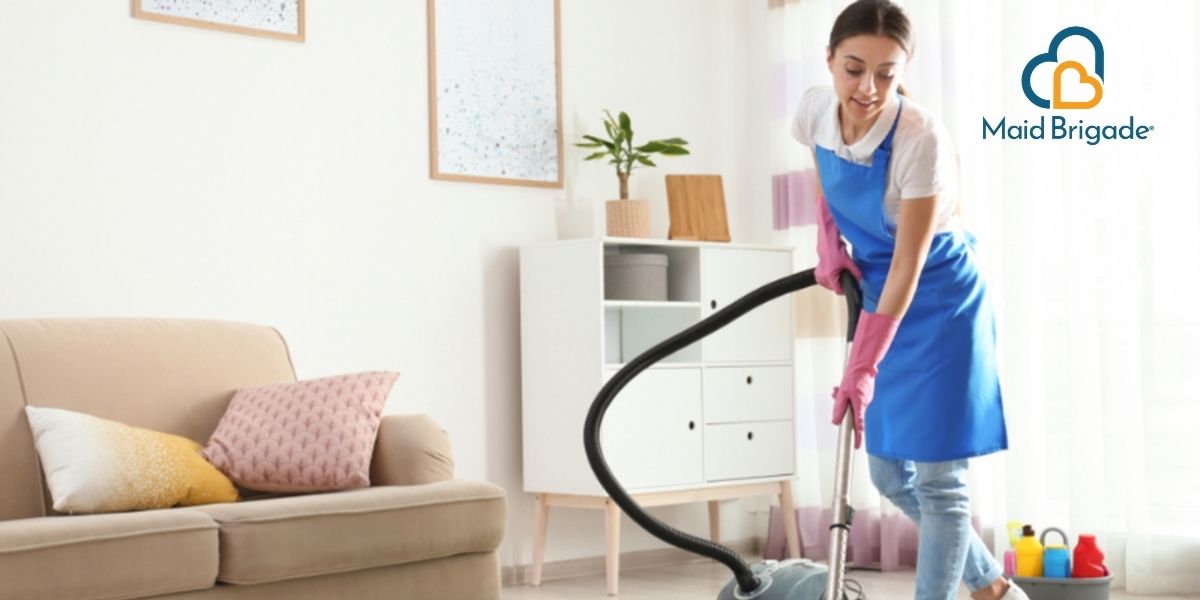
A Deep Clean delivers the biggest one-time air quality reset, a recurring Standard Clean keeps allergen levels consistently low between visits, and a Move Clean gives you a fresh start in a home where someone else’s dust came with the keys. The right choice depends on where your home is starting from.
A Deep Clean reaches the hidden buildup a Standard Clean does not: baseboards, vent covers, ceiling fan blades, and the spaces behind and under furniture where dust and dander collect for months. One honest caveat belongs here: cleaning inside HVAC ductwork is a separate specialty service, and it is not something Maid Brigade provides. For ongoing air quality, recurring cleaning on a weekly or biweekly schedule matters most, because allergen levels rebound between visits, and the homes that feel consistently easier to breathe in are the ones where the reservoir never rebuilds.
How does the North Texas allergen calendar get inside your home?
Pollen rides into your home on shoes, clothing, pet fur, and every open door, and North Texas keeps that supply running in every season. Mountain cedar dominates winter, oak and grass pollen surge in spring, and ragweed owns the fall across Fort Worth, Hurst, Euless, Bedford, and Keller.
Winter brings the region’s signature misery: cedar fever. “There’s just so much pollen in the air, it absolutely overwhelms the immune system. It’s like trying to breathe in a dust storm,” said Robert Edmonson, a biologist with the Texas A&M Forest Service, in an AgriLife Today explainer on cedar fever. Whatever coats your porch and car during those December and January pollen bursts also coats your entryway floors and window sills. A dedicated deep clean of entryway floors, window sills, and soft surfaces targets exactly that buildup.
Fall is no gentler. The Asthma and Allergy Foundation of America reports that a single ragweed plant can produce up to 1 billion pollen grains, and that almost 50 million people in the U.S. have symptoms from ragweed pollen allergy in late summer and early fall. If your household is among them, a fall ragweed season deep clean for North Richland Hills and Colleyville homes resets the house right as pollen counts peak.

What does regular cleaning remove from your indoor air, and what does it not?
Regular cleaning removes the source material: settled dust, dust mite debris, pet dander, tracked-in pollen, and the kitchen and bathroom buildup that feeds odors and mold. It does not capture particles that are already suspended in the air, which is why the honest answer pairs cleaning with HVAC filtration rather than treating them as substitutes.
The exposure problem is nearly universal. According to AAFA, eight out of 10 people in the United States are exposed to dust mites, and six out of 10 are exposed to cat or dog dander. Here is the honest breakdown of what cleaning does and does not accomplish:
| What regular cleaning removes | What cleaning does not do |
|---|---|
| Settled dust and dust mite debris on floors, furniture, and surfaces | Filter particles already suspended in the air, which is the job of your HVAC filter or an air purifier |
| Pet dander worked into carpet, upholstery, and baseboards | Clean inside HVAC ductwork, a separate specialty service Maid Brigade does not offer |
| Cedar, oak, grass, and ragweed pollen tracked in on shoes, clothes, and pets | Remove gases such as radon or carbon monoxide |
| Kitchen grease and bathroom buildup that feed odors and mold | Replace medical treatment for allergies or asthma |
Do the cleaning products themselves affect indoor air quality?
Yes, the products used during a clean affect your air along with the dirt they remove, because some conventional cleaning chemicals leave strong fumes behind in exchange for shiny surfaces. A clean that trades dust for harsh chemical residue is a poor bargain for anyone sensitive to either one.
Maid Brigade of Fort Worth cleans with PUREcleaning products chosen to be safer around kids and pets. The EPA’s Safer Choice program shows why safer formulations matter: it certifies products that perform and contain ingredients that are safer for human health and the environment. Because crews arrive fully equipped, you also never need to buy or store a cabinet of cleaning chemicals under your own sink.
How often should you clean to keep indoor air healthy in the Mid-Cities?
Weekly or biweekly cleaning keeps indoor allergen levels consistently low for most Mid-Cities households, and homes with pets, kids, or anyone managing allergies benefit from the weekly end of that range. During cedar or ragweed season, adding a seasonal deep clean resets the baseline before the recurring schedule takes over.
AAFA recommends vacuuming once or twice a week and washing bedding weekly in water 130 degrees Fahrenheit or hotter. A room-by-room rhythm makes that manageable:
- Bedrooms: Prioritize these above every other room, since AAFA notes you spend about one-third of your time there. Bedding, floors, and dusty flat surfaces come first.
- Living areas: Vacuum carpets and upholstery where dander and pollen settle, and damp dust shelves, blinds, and ceiling fan blades so dust is captured instead of scattered.
- Kitchen and bathrooms: Degrease surfaces and keep moisture-prone corners clean, since grime and damp buildup feed the odors and mold that make air feel stale.
- Entryways: Clean hard floors and door mats often, because this is where cedar, oak, and ragweed pollen first drops off shoes and paws.
How do you get a cleaning plan built around healthier indoor air?
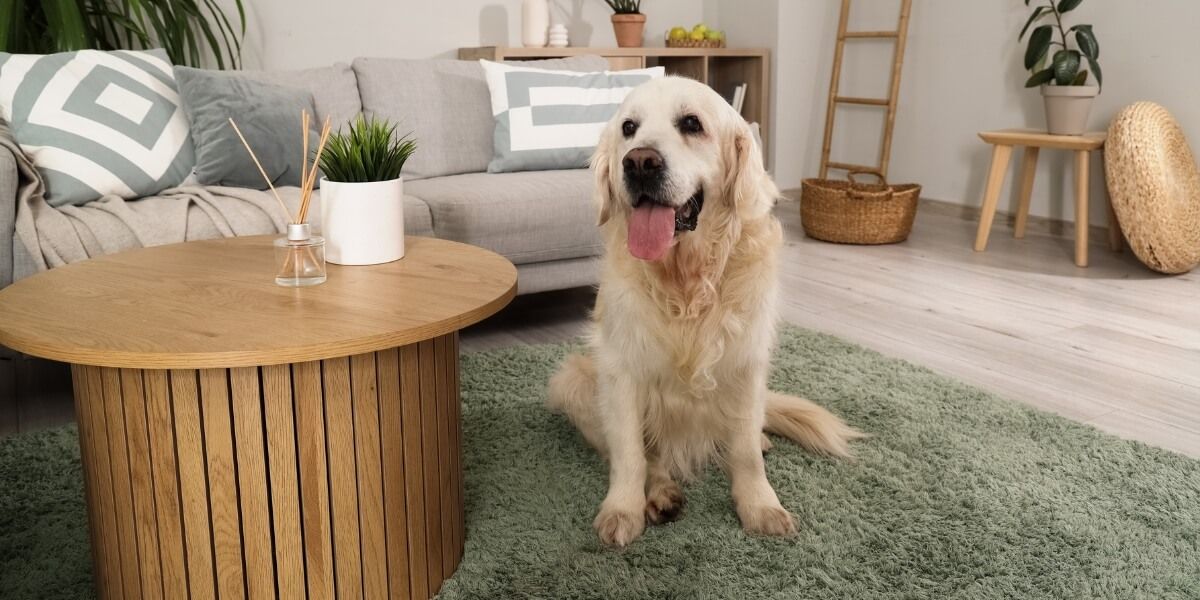
The fastest way is to request a free, no-obligation quote and describe your household: pets, kids, allergy or asthma concerns, and how the home feels during cedar and ragweed season. Most homes start with a Deep Clean to clear the accumulated reservoir, then hold the results with a recurring schedule.
Maid Brigade of Fort Worth is locally owned and family-operated and has served the area since 1989. Crews are trained, background-checked, and covered by liability and workers’ compensation insurance, and they arrive fully equipped. Service covers Fort Worth and the Mid-Cities, including Hurst, Euless, Bedford, Colleyville, North Richland Hills, Keller, Southlake, Grapevine, Watauga, and Haltom City. If price is part of the decision, the Fort Worth house cleaning cost guide explains what moves a quote up or down. When you are ready, request a free quote or book your first cleaning.
Key Takeaways
- Regular professional cleaning improves indoor air quality by removing settled dust, pet dander, and tracked-in pollen before daily activity stirs them back into the air.
- The EPA reports that Americans spend approximately 90 percent of their time indoors, where some pollutant concentrations run 2 to 5 times higher than outdoors.
- North Texas homes collect allergens in every season, with mountain cedar in winter, oak and grass pollen in spring, and ragweed in fall.
- A Deep Clean delivers the biggest one-time air quality reset, while a recurring Standard Clean keeps allergen levels consistently low between visits.
- Cleaning removes allergens at the source but does not filter airborne particles, so it works alongside HVAC filtration rather than replacing it.
- Maid Brigade of Fort Worth uses PUREcleaning products chosen to be safer around kids and pets, so the clean itself does not add harsh chemical fumes.
FAQ
Can house cleaning help with allergies and asthma in North Texas homes?
Health authorities say reducing the allergen load inside a home can help. The Asthma and Allergy Foundation of America recommends regular vacuuming, damp dusting, and weekly hot-water washing of bedding to control indoor allergens like dust mites, pet dander, and pollen. Professional cleaning does that work consistently, though anyone managing asthma or allergies should follow their physician’s guidance, because cleaning supports treatment rather than replacing it.
What does PUREcleaning actually mean, and does it improve indoor air quality?
PUREcleaning means Maid Brigade crews clean with products chosen to be safer around kids and pets instead of harsher conventional chemicals. The benefit for indoor air is straightforward: the visit removes dust, dander, and pollen without leaving behind the strong chemical fumes that some conventional cleaning products release indoors.
Does regular cleaning reduce dust mites, pet dander, and cedar or ragweed pollen tracked indoors?
Yes, regular cleaning physically removes dust mite debris, pet dander, and tracked-in pollen from floors, fabrics, and surfaces before everyday activity stirs them back into the air. The exposure is widespread, with the Asthma and Allergy Foundation of America reporting that eight out of 10 people in the United States are exposed to dust mites. During cedar and ragweed season, extra attention to entryways, floors, and soft surfaces keeps the tracked-in load down.
How often should I clean to keep indoor air healthy in Fort Worth and the Mid-Cities?
Weekly or biweekly cleaning keeps allergen levels consistently low for most households. The Asthma and Allergy Foundation of America recommends vacuuming once or twice a week, and homes with pets, kids, or allergy sufferers benefit from the more frequent end of that range. Many Mid-Cities families pair a recurring schedule with a seasonal deep clean during cedar season or ragweed season.
Does a Deep Clean improve air quality more than a Standard Clean?
A Deep Clean delivers a bigger one-time improvement because it reaches hidden buildup on baseboards, vent covers, ceiling fan blades, and the areas behind and under furniture. A recurring Standard Clean matters more over time, because it keeps allergen levels consistently low between visits. Many homes start with a Deep Clean and then hold the results on a recurring plan.
Is professional cleaning safe around kids and pets?
Maid Brigade of Fort Worth uses PUREcleaning products chosen to be safer around children and pets, and every crew is trained, background-checked, and covered by liability and workers’ compensation insurance. Teams arrive fully equipped, so you never need to buy or store cleaning chemicals at home.
Sources
- Maid Brigade of Fort Worth: deep cleaning
- Maid Brigade of Fort Worth: recurring cleaning
- Maid Brigade of Fort Worth: service areas
- Maid Brigade of Fort Worth: request a free quote
- Maid Brigade of Fort Worth: book a cleaning
- Deep cleaning service for seasonal pollen buildup
- Fall ragweed season deep clean for North Richland Hills and Colleyville
- How much does house cleaning cost in Fort Worth?
- EPA: Indoor Air Quality
- AAFA: Control Indoor Allergens
- AAFA: Ragweed Pollen Allergy
- Texas A&M AgriLife Today: What is cedar fever? Experts explain Texas winter irritant
- EPA: Safer Choice