
Surprising Areas of the Home That Collect More Dust Than You Think
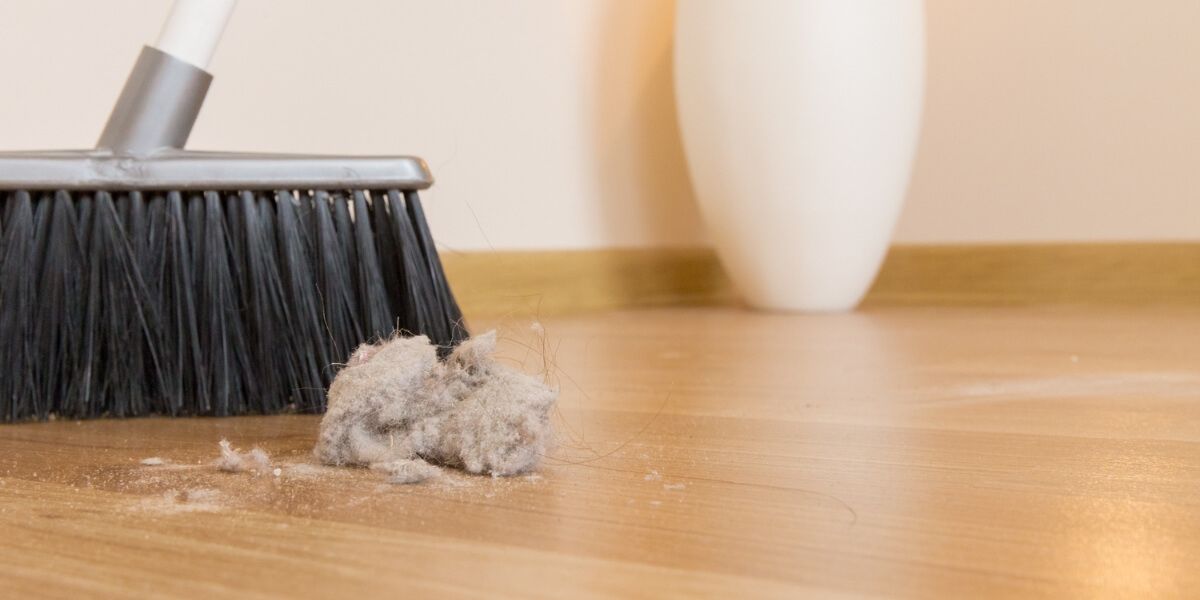
As a homeowner, dust can feel like an ever-present nemesis in your ongoing quest for a clean home. While you might be diligent about sweeping or vacuuming the usual suspects, such as floors and carpets, there are other less obvious areas that collect more dust than you might imagine. In this article, we’ll walk you through some of these surprising spots and share cleaning tips to keep your home dust-free.
Curtains and Blinds
Curtains and blinds do more than just frame your windows—they’re also magnets for dust. The fabric of curtains can trap dust particles, while the slats of blinds offer many surfaces for dust to settle. To combat this, make it a habit to clean your curtains and blinds regularly. For curtains, consider vacuuming them once a week with an upholstery attachment or washing them according to the care label. Blinds can be dusted with a microfiber cloth or a special blind duster.
Baseboards and Moldings
Baseboards and moldings often go unnoticed in day-to-day cleaning, making them perfect hiding spots for dust. Despite being close to the floor where dust settles, these areas can be a breeding ground for allergens. Use a damp microfiber cloth or a soft-bristle brush to wipe down moldings and baseboards to keep them pristine.
Tops of Cabinets and Shelves
Out of sight, out of mind—until that sight becomes a showcase of dust. The tops of kitchen cabinets, bookshelves, and other high-up surfaces are often overlooked but collect substantial dust over time. To clean these, use a microfiber duster with an extendable handle. Installing protective covers can make next time’s cleaning much more manageable.
Ceiling Fans and Light Fixtures
Ceiling fans are excellent for air circulation, but they’re also notorious for collecting dust. Similarly, light fixtures, especially those with intricate designs, can gather dust that dims their shine. Turn off the power to these fixtures and use a step ladder, microfiber cloths, and a gentle cleaner to ensure they are thoroughly dusted without risking damage or injury.
Under Furniture
While the tops of tables and shelves may receive regular attention, under furniture pieces such as sofas, beds, and dressers can be neglected. These areas can trap dust bunnies and other debris that contribute to allergies and poor indoor air quality. Make it a priority to vacuum these areas regularly, using the various attachments that come with your vacuum cleaner.
Air Vents and Filters
Air vents and filters are crucial in maintaining indoor air quality, yet they can become dust collectors themselves. Dust can accumulate in vents, particularly if filters are not changed frequently. Be sure to clean air vents with a vacuum attachment and replace air filters every few months to keep your home’s air fresh and clean.
Decor Items and Electronics
Your stylish decor items and electronics, such as picture frames, TVs, and gaming consoles, are also prone to dust accumulation. Dust these surfaces weekly with a microfiber cloth to keep them looking good while ensuring they operate efficiently.
FAQ
Q: How often should I dust areas that are less visible?
A: It depends on your household and environment, but generally, high-up and hidden areas should be dusted monthly, while more frequently used areas may require weekly attention.
Q: What tools are best for dusting blinds?
A: A microfiber cloth or a special blind duster works best for blinds, as they efficiently capture and hold dust without spreading it around.
Book Your Professional Cleaning Service Today!
While managing dust can feel daunting, you don’t have to do it alone. At Maid Brigade, we specialize in tackling even the dustiest corners of your home with precision and care. Ready to have a cleaner, healthier home? Contact your local Maid Brigade to book our professional cleaning services today, and let us do the dusty work for you!